When Women Call Out Medical Gaslighting, Providers Lose the Whole Family

A smart business would not deliberately blame customers for needing their services or accuse them of spinning fictions. A business dependent on customer loyalty and engagement for their success—and what business doesn’t?—would normally pay close attention to customer concerns in social and mainstream media. All the more so in health care, where the needs are generally much more significant, and the consequences of failing the patient are literally a matter of life or death.

That’s why providers In Value-Based Health Care should pay close attention to the increasing din of “medical gaslighting” charges by women. These are not idle accusations. They merit serious corrective strategies and thoughtful responses. Providers risk alienating the people responsible for making most of the population’s health care decisions—including the sentinel decision of where they and their families get care.

Let’s examine the charges and the actions that ACOs, health systems and their providers should take to address the issues.

How and Why Medical Gaslighting Charges Went Mainstream

As we have reported throughout our articles on women’s health, gender discrimination in health care is pervasive. It is well documented across a broad array of clinical conditions and symptoms. It affects women’s early mortality and quality of life and has consequences for long term impairment and impoverishment. African American women are affected the worst and, as a result, have unacceptably high rates of death from cardiovascular disease, metastatic breast cancer and pregnancy. In the health care industry itself, women physicians and researchers can’t be advocates for better care and research for women because they can’t reach leadership levels.

Women’s wellbeing is not immune to these experiences, which are damaging them physically and mentally. In effect, women are coming to perceive the impact of gender discrimination in health care as abusive, forcing them to endure chronic pain or other symptoms, only to be told that their problems are not worthy of concern or investigation. That’s the very definition of “gaslighting”— emotionally and psychologically manipulating someone so they question their own sanity. It’s a term now being used by some mental health professionals to describe women whose providers refuse to listen to them and investigate their symptoms seriously.

In 2018, the charges of medical gaslighting went mainstream. The Atlantic documented the emerging trend in its August 2018 article, “The Doctor Doesn’t Listen to Her. But the Media Is Starting To.”  More media accounts have added to the momentum, starting with Serena Williams’s near-death after delivering her daughter in fall 2017, followed by a Vogue article documenting endometriosis, numerous articles in The New York Times, an NPR series on maternal death, plus books and podcasts (“Bodies” by KCRW), and even a Netflix series (“Bleeding Edge”).

Amidst #MeToo and the battle over the Affordable Care Act—which would, if overturned, affect women more than men—medical gaslighting packs a stronger emotional punch than the concept of gender-disparate health care. Dramatic examples of near-death and actual mortality have potential to galvanize women around issues they have always faced but have been taught to dismiss as figments of their imaginations.

The power of this reframing takes on new meaning as employers and payers, given latitude by loosening of the ACA, restrict benefits or provider networks, and as ACOs take on financial risk. As women’s perceptions and expectations of health care evolve to embrace shared outrage, they are more likely to choose providers who can demonstrate accountability and sensitivity to their issues collectively. Advocates are already emerging to help inform who those are.

Women Are More Than Patients—They Make Health Care Decisions for Most Others

By all accounts, women drive health care decisions not only for themselves, but for their children and other family members. According to the U.S. Department of Labor, women make 80 percent of health care decisions. The 2017 Kaiser Women’s Health Survey indicates that women make more than three-quarters of family provider choices, and are largely responsible for taking children to doctors and managing follow-up care; men are reported to make one fifth of such decisions.

Among families with children under 18, a Harvard Business Review survey of women in a multi-market, multi-national survey estimated that women account for 94 percent of health care decisions. Yet women are frustrated by the lack of time and resources to keep themselves healthy, with 77 percent admitting that they don’t do what’s needed. They also express dissatisfaction with available information to make intelligent health care decisions, and they distrust the health care system—78 percent say they don’t trust their insurance company and 35 percent don’t even fully trust their own physicians.

Women are under financial pressure like no other health care group. They are the ones more likely to take time off for sick children, and 56 percent are not paid for that time off. Just 62 percent of working women have coverage through employment-based insurance private insurance, according to the Department of Labor, and only 36 percent have coverage in their own names. Women account for the majority of Medicare and Medicaid beneficiaries.

The responsibility for care of elderly parents also falls unevenly on women. According to the American Time Use Study in 2017, one quarter of women between 45 and 64 are caring for an older relative, and half of them are spending 20 hours or more per week doing this second job. Many were required to cut back hours at work, and some lost their jobs.

In addition, many women face challenges with their own health care. As we reported in previous articles, women face higher health care costs, not only because of expensive reproductive services, but also due to their higher incidence of auto-immune and other high-cost, life-long diseases. Because women outlive men generally, they are also more apt to have significantly higher lifetime expenses—but significantly fewer resources to cover them, due to income disparity and lack of coverage.

VBHC Efforts to Engage Patients, Build Loyalty and Make Better Decisions Should Begin with Women

Providers are facing financial risk and the encroachment of business in health care. The stakes are high. As they develop Value-Based Health Care strategies, it makes sense to focus on women as a priority. Providers can’t afford to maintain practices that women see as discriminatory, at best, and abusive, at worst. Providers also will get more value for each effort aimed at women by both directly addressing women as patients and indirectly addressing others for whom women make decisions.

These initiatives aimed at women will require serious content. Women will be quick to sniff out programs that do not have the potential to substantively improve health care status or pay lip service to women’s health. For example, efforts to attract women as patients are often focused on the development of a “Women’s Health” initiative or center. Rarely, however, does such a center provide more than reproductive health or gynecological services. While some may appreciate the appeal to women-specific needs, others will regard such centers as limited and opportunistic, failing to respond adequately to the broader health care needs of women.

How, then, can providers go about this task with integrity and transparency? There are several opportunities for ACOs, health systems and their providers to set it right:

  1. Correct the major complaint: Learn to listen. ACOs and health systems should establish measurement tools to identify gaps in women’s perception of quality. One of the obvious measurement instruments is through surveys of women, both as patients and as decision-makers for others, to discover their perceptions of provider communications, diagnoses and treatment options. Retrospective analysis of utilization patterns, such as seeking multiple specialists for the same condition, can also identify problems.
  2. Fix the second big problem: Measure outcomes and care for women. Providers in a position to support better research should do so through stronger recruitment strategies, research design, capture of relevant data, and support for women researchers and projects supporting women. In addition, ACO and health system quality initiatives must begin tackling the lack of a measurement system for women’s health. That system should include patient health status over time, feedback on services, calculation of diagnosis delays and patient-reported outcomes.
  3. Assist physicians in overcoming gender bias and in communicating with women decision-makers. Physicians do not always recognize that women are making most decisions for their spouses, children and parents; those who do realize the valuable resource that women provide for reinforcing patient adherence to treatment plans will have an advantage. ACOs and health systems need to consistently cultivate physician communication and establish processes that facilitate better medical decision-making.
  4. Develop procedures to routinely get permissions from patients to send copies of correspondence and other information to their partners and decision-makers present at appointments and involved in care. This will help facilitate regular screenings and appointments that partners may be unaware are being requested by providers. A client reported an anecdote involving a male patient who was part of a population health campaign to promote colon cancer screening. The patient ignored the written request. His wife, however, discovered the letter and worked with her husband to schedule the screening. That screening resulted in his diagnosis of early stage and treatable bowel cancer.
  5. Re-envision women’s health care with women’s input. Work with an advisory group of women physicians, patients and decision-makers to create the type of health care that women need in the community. Providers should not create “women’s health care” without the explicit involvement of women in stakeholder roles.
  6. Provide resources and training to women decision-makers. Ensure that physicians are supported in providing research results to women as they navigate decisions for children, spouses and parents.
  7. Involve public relations and marketing in steering the strategies involving women’s care and women’s role in decision-making, so that they can be more supportive in external affairs.

Unless providers and health care systems address these issues, perceived medical gaslighting will continue to damage women’s trust. When providers engage women in a dialogue to build trust and ensure accountability for both patients and providers, they have the opportunity to achieve a Value-Based Health Care system that works for everyone.

Founded as ICLOPS in 2002, Roji Health Intelligence guides health care systems, providers and patients on the path to better health through Solutions that help providers improve their value and succeed in Risk. Roji Health Intelligence is a CMS Qualified Clinical Data Registry.

Image: Phillipe Mignot



If Not Now, It’s Too Late: Simple Randomization Can Lead to False Inferences 
About Treatment Decisions

Medical decisions are best made on the basis of clinical science. Accurate research, shared between physician and patient, enables the patient to make an informed choice about risks and outcomes of treatment options.

That’s how it should work, in theory. But in practice, even with the best shared medical decision-making, far too much clinical research employs faulty methodologies that limit the relevance of findings. This must change.

In a recent blog post, I suggested that clinical science can improve by choosing more representative groups of people for study.
Many clinical studies use convenience samples of patients rather than samples chosen either randomly or systematically from full populations. This compromises our ability to generalize insights from a sample to the full population.

But the methodological flaws don’t end there. The next problem with clinical science is how we randomize patients after the population to be studied is constituted. Simply randomizing people, like a coin flip, to a new treatment group versus the usual comparison group potentially fails on two aspects: First, it blunts our ability to inform individuals in the trial and the population in general who vary on clinical and personal characteristics, and, second, simple randomization fails to assure balance in factors that may influence interpretation.

Remember, science aims to find the independent contribution of a new therapy over another. This requires a comparison of the frequency of clinical outcomes between two groups. If one of the groups has more people who are ill, for example, then a comparison of the new treatment is weakened, since any difference we find may be due to the imbalance in prognostic factors rather than the treatment being tested. Randomization intends to balance these factors.

Simply Randomizing Gives an Average Difference but Little Help to Individuals

Let’s address the first issue with an example. A woman is 64, has invasive breast cancer, two nodes positive. Her estrogen /progesterone receptor status (ER/PR) is positive; true for most cancer cells. Additionally, 100 percent of her cancer cells are positive for HER2, another tumor maker. She did not take the usual chemotherapy, opting to choose a less toxic regimen than the usual. Now she asks if she should take the drug for HER2.

Her uniqueness may influence the decision. In a randomized trial (RT) of nearly 5,000 women regarding the HER2 drug in question versus placebo, those taking the drug did better in terms of recurrence and survival. So, she has information about benefit and harm, on average. How did those in the trial who are like her do? We don’t know. Only 200 or so of the 5,000 subjects did not take the first line chemotherapy, and there is no reported distribution of the percent receptor positivity for ER/PR/HER2. Hence, I could not isolate “her” unique profile of age, node status, receptor status and level, and prior treatment status.

There is a hint in the data that ER/PR status modified the effect of the drug for HER2, but the trial was too small to say for certain, and, additionally, the distribution of breast-cancer-related outcomes for those who did not take the usual chemotherapy prior to the RT varied from somewhat better to 1½ times worse. Hence, this woman is uncertain of the benefit of the HER2 drug.

After this RT, the drug became the usual protocol for women with HER2, but it is not an easy drug to take; it is costly and comes with significant side-effects. Randomization did not capture enough of the variation in the people involved in the trial. More was needed from this study to help this woman.

The “more” is called stratified randomization. People with characteristics that might influence the outcome of a RT are identified at outset and grouped; then, randomization is carried out within groups. For example, since previous evidence shows that people are helped by treatment with estrogen-blocking agents when ER/PR markers are positive, grouping women with various combinations of ER/PR/HER2 could have been completed prior to randomizing. If the benefit of the drug is the same for all groups, a general inference can be made. If the drug helps different groups differently, however, then those characteristics are said to modify the value of the treatment being tested in the trial. And, if the new drug offers little, perchance, for those who were ER/PR positive, women with those characteristics would have useful information for them.

In short, simple randomization is a flawed methodology for a practice of medicine aimed to care for individuals. There is no assurance that there will be a significant number of patients in important prognostic subgroups to offer relevant insights to those individuals.

Simple Randomization May Fail to Balance Prognostic Factors

Besides failing to address individuals’ variations, simple randomization may fail to assure that what we study is better for anyone. This is a contentious statement. The RT is purported to be the gold standard of clinical science. The following examples show, however, that important prognostic factors may not balance enough for the clinician and patient to make a reasoned inference. This phenomenon is called “chance bias” and is underappreciated as a flaw of RT’s.

A striking example of imbalance in prognostic characteristics was a RT of a drug for patients in the intensive care unit (ICU). The new drug (activated protein C) versus placebo benefited patients; those who got the drug were more likely to survive. Researchers presumed that conditions that adversely affect survival were balanced.

However, these factors did not balance. For eight of nine measured prognostic factors that portend a poor outcome, more people with these got the placebo. For example, 3 percent more with hypertension got the placebo, 2 percent more with a myocardial infarction, 2 percent more with cancer, 5 percent more with liver disease, 5 percent more on mechanical ventilation, and others. This imbalance makes the drug look better, but better was an illusion, born out by future studies.

Chance bias is common with simple randomization. A recent expose evaluated ten top-cited RT’s and found chance imbalance in nearly all. (Journals track how often a paper is referenced, cited, by other papers. The theory is that more impactful published ideas get cited more often). For example, a top-cited trial of stroke care found that factors that affected mortality after a stroke were not balanced: study patients allocated to the new treatment were less ill (3 percent fewer had congestive heart failure, 8 percent fewer were smoking, 14 percent more took aspirin therapy, as examples). These unbalanced factors cloud a trial’s main outcomes.

And this problem extends to the largest trials. It is assumed that trials with large numbers of patients are best. This is not true; trials with small and large numbers of patients face the same chance problem. Large trials are planned to look for small differences in the numbers of patients with measured outcomes; it follows that even small imbalances can negate small differences in outcomes. For example, in the National Lung Screening Trial, discussed in the previous blog, the difference in the number of people dying of lung cancer between the CT scan group versus the CXR comparison group was 76 people (out of 50,000+). However, 26 more people were in older age groups in the CXR arm of the study and 38 more were current smokers. These sound like small amounts, but adding those two imbalanced subgroups equals 64 more people with adverse prognostic characteristics in the CXR group to compare to the 76 with better outcomes. This sort of imbalance is worrisome, even in large trials.

When I read a paper, I count the number of people who differ in all prognostic groups and find, too often, imbalanced numbers of people. When I compare the number of imbalanced people to the total number of people different between studied groups, the numbers are often close to each other. This should raise concern for the veracity of the RT. Statisticians, sometimes, look to see if imbalance is a factor, but these types of analyses are often weak due to small numbers of subjects.

A better solution than statistical or counting efforts to look for imbalance after a RT is to stratify and randomize only after planning for people with known confounding clinical factors and combinations of factors that make a difference to individual people. Future clinical trials must consider how best to randomize in order to help people who are not like the average in the RT to make informed choices, and researchers must, before doing a trial, make sure prognosis is balanced. The present methods of clinical science are, unfortunately, not good enough for individual patients who must decide.

Founded as ICLOPS in 2002, Roji Health Intelligence guides health care systems, providers and patients on the path to better health through Solutions that help providers improve their value and succeed in Risk. Roji Health Intelligence is a CMS Qualified Clinical Data Registry.

Image: Nick Fewings


Women with Autoimmune Diseases Fight Uphill Battle on Every Health Care Front

Our articles on women’s health care issues have focused on areas that must change in order to provide better quality and outcomes, to lower costs, to advance treatment, and to treat women respectfully and equitably as patients and providers. We have demonstrated how women have been sidelined from getting the right health care because of two key systemic obstacles that must be addressed:

  • Cultural bias that prevents accurate clinical assessment of symptoms and diagnosis, adoption or use of protocols relative to women’s biology, and effective health care therapies, and
  • Inadequate basic science and clinical research that will illuminate sex-differentiated biology and effects of therapies.

In addressing women with autoimmune diseases, I expected to find the same story as in other clinical areas, just in greater magnitude. Instead, I found a different story. That story is about how women with autoimmune diseases are isolated not only by the often painful, debilitating and progressive symptoms of disease, but also by the need to navigate their care on their own.

The story also concerns another front where women with autoimmune diseases are literally fighting for their lives: access to the specialized health care that is essential to their complex, often rare disease, and lack of resources to pay for it. Our system of insurance-coverage-financed health care, especially as it moves to lower cost through Value-Based Health Care, must not only avoid further damaging access to the care these women need, but also proactively facilitate better coordination of services for this high-risk group.

Autoimmune diseases reveal how the financing of health care compounds the problems of sex-specific disease, on top of the issues presented in recent posts on other clinical areas. And, it reveals how essential it is to organize health care not just around traditional specialties, but also around the patient. We must ensure that our reimbursement methods and historical structures do not impede essential research that crosses all specialties; to do otherwise will restrict advancement of care for population groups that are inordinately affected.

Autoimmune Diseases Affect 8-16 Percent of Population—Almost 80 Percent are Women

Autoimmune diseases are a group of disparate diseases in which the body’s immune system has launched an attack on its healthy tissue. Genetics, environmental causes, injury or infection and exposure to toxins are all thought to play a role in triggering excessive immune system responses, but the causes specific to individual autoimmune diseases are, as yet, mostly unproven.

About 23.5 million Americans are counted among the 24 more common autoimmune diseases with an incidence of 1 or more per 10,000 people. However, the American Autoimmune Related Diseases Association (AARDA)—the only organization tracking all such diseases—puts the estimates of people affected at 50 million when considering additional autoimmune diseases that are more rare and not well counted.

Women overwhelmingly account for most autoimmune disease cases and are 78 percent of the counted population volume. Sex hormones are linked with the incidence of autoimmune diseases among women. In rheumatoid arthritis and Hashimoto’s autoimmune thyroiditis, two diseases with the highest autoimmune-disease-specific incidence, women account for 75 percent and 95 percent of patients, respectively. Only one of the top 5 autoimmune diseases, Type 1 diabetes, has incidence that affects more men than women, who are still 45 percent of the population. The rarer diseases within the top 24 include systemic diseases such as scleroderma, SLE (lupus), and Sjögren’s syndrome; women account for between 88 and 97 percent of patients.

Lack of Aggregate Autoimmune Disease Classification Isolates Individual Conditions—and Their Women Patients

There are 80 to 100 diseases classified as autoimmune currently, and 40 additional are suspected as auto-immune. Yet just 24 diseases are counted among prevalent autoimmune diseases. The arbitrary cutoff for determining prevalence serves little helpful purpose to advocacy or medicine. The range of incidence in the list of 24 reflects vastly different volumes—a low incidence of 10 per 10,000 for the cardiovascular Kawasaki disease, to a high of 860 per 10,000 for rheumatoid arthritis. While this list may largely reflect more reliable data because volume gives rise to advocacy groups and tracking, it also obscures the effect of autoimmune diseases among patients, predominantly women.

Lack of a centralized locus of disease and symptom tracking, basic science and clinical research, and data sharing for autoimmune diseases stymies progress. It may also fragment the study of environmental and other underlying triggers as well as the immune system itself. Unlike cancers that fall within different body systems, autoimmune diseases are classified within specialties and remain invisibly tucked within the volume of other specialty conditions.

Disease classification also has implications for awareness among providers and patients, public health initiatives, and availability of research funding. Fragmented data cannot create the foundation needed for advocacy and political action, nor will it fuel protections for women under insurance coverage. Funding for cancer research and therapies, by contrast, is driven by a coordinated system of advocates and medicine and is fueled by public awareness. The numbers speak for themselves: $6.7 billion for cancer research, and $591 million for all autoimmune diseases annually.

Pain and Diverse Symptoms—Often Similar Across Different Diseases—Are Hallmarks of Autoimmune Diseases

Incidence of autoimmune disease is increasing dramatically, especially in endocrine, rheumatic and gastrointestinal disease. But regardless of body system, symptoms are frequently similar. Pain in joints and elsewhere is very common and can be severe, especially in diseases that affect women. Also typical are fatigue, weakness and/or paralysis, sensitivity to heat or cold, itching, and loss of functions such as mobility and swallowing.

Diversity of symptoms and lack of awareness by providers can lead to delayed diagnoses. That delay is likely to be complicated by well-documented underestimation of women in pain. On average, there is a three-year time frame between patients seeking diagnosis for symptoms and final diagnosis of an autoimmune disease, according to the AARDA.

In the case of autoimmune disease, chronic pain is distinguished from acute disease by its persistent and sometimes crippling intensity. Many providers resort to opioids in an attempt to help patients manage pain. In addition to addiction, opioids negatively impact long-term outcomes. A study of SLE about the impact of opioid use on outcomes in a population of patients, including 24 percent of subjects who were addicted to opioids, showed higher mortality and morbidity associated with opioid use. With women more likely to become addicted than men due to their higher incidence of chronic pain, there will be pressure to find other methods of managing these debilitating symptoms for women with autoimmune diseases.

Opioids can also suppress or stimulate the immune systems of autoimmune patients, depending on disease, drug and various characteristics of the immune system. Opioids can also cause inflammation and other effects on body systems. These findings raise serious questions for physicians regarding how to modulate immune system effects properly while addressing chronic pain, especially in light of insufficient instruments for better measuring pain and women’s higher susceptibility to addiction.

The American Chronic Pain Management Association provides information for consumers on diseases associated with chronic pain, plus a variety of tools for recognizing and reporting pain to providers. These useful tools could be helpful to patients and providers, especially if there were initiatives to help validate results and tie into resources for chronic pain management.

Navigating the Health Care System Challenges Women with Autoimmune Disease

The fact that there are relatively low numbers of individuals affected by these conditions yet significantly greater incidence among women makes it particularly difficult for women to find specialists for their condition. Let’s use the example of scleroderma, a systemic autoimmune disease that is relatively rare like most autoimmune diseases (affects 240 per million adults in the U.S. ), yet is one of the most prevalent autoimmune diseases.

Scleroderma can involve many body systems and therefore specialized medicine: in addition to finding a rheumatologist with (hopefully) specific expertise in scleroderma and access to clinical trials, a woman with scleroderma will probably seek a dermatologist and wound care, pulmonologist, cardiologist and nephrologist throughout the course of the disease. Even if she finds a team of specialists, however, not all those providers may have specific experience with scleroderma. In New York City, there are only two rheumatology groups recognized by the Scleroderma Foundation as treatment and research centers where specialists are familiar with all of the disease’s manifestations. One can only imagine how difficult it must be for an individual woman to navigate care in the typical system of non-coordinated care, particularly outside major population centers.

Then there’s the next hurdle, which may prove insurmountable: finding those physicians in a woman’s benefit network. Commercial networks have adopted tiered networks of providers based on costs or Accountable Care contracts, and specialized providers—especially in higher cost academic centers—are often excluded due to cost. Thus, in the New York City example, one or even both groups may be out of network, requiring the insured woman to pay a much greater proportion of the expense of getting appropriate care. That assumes the specialists will even see a patient covered by a plan with which they do not participate, since that exposes them to bad debt.

Women as a group are more likely to be underinsured or uninsured. If attempts to repeal some or all of the Affordable Care Act succeed, women diagnosed with autoimmune diseases as preexisting conditions will have no coverage. It is difficult to imagine how millions of women with autoimmune disease will get the treatment they need to function.

Beyond physicians, access to some services—often considered experimental—are not routinely covered by insurers. There may be “step therapy” requirements, whereby one type of treatment must fail before another can be authorized. This kind of requirement was just recently permitted for Medicare Advantage plans for their beneficiaries. Step therapy in cancer care means loss of valuable time, permitting tumor growth and potential death. Step therapy is the opposite of precision medicine, which designs care around individual needs in conjunction with the best and most recent research findings. For autoimmune disease, it can mean further progression of disease, onset of greater pain and debilitating illness, and huge impacts on productivity and quality of life.

Then There’s the High Cost of Drugs for Women with Systemic Autoimmune Diseases

Women with autoimmune diseases require not only specialized drugs for their illnesses but also must work through tolerance issues that most patients don’t need to fear. Because many drugs can have different effects on the immune system, afflicted women have to navigate options and use those determined to be most effective and with the least additional harm. That is a tall order.

Added to that is the rarity of autoimmune diseases and the agents available for treatment. Rare diseases involve rarer and highly expensive medicines, some of which are categorized in top tiers of drug formularies and require significant patient copays—or are not covered at all. This post by a woman recounting how to handle drug costs of scleroderma, as well as make other coverage choices, is a sobering first hand account of the financial issues that women with autoimmune diseases must manage .

While there are some drug assistance programs emerging, they are not enough to cover women across the country. The Autoimmune Advocacy Alliance (A3) provides advocacy to people with autoimmune diseases, including supporting public policy for prescription drug assistance. But this will continue to be an area of critical importance that must be addressed as part of health care reform.

Five Actions Providers Should Take to Help Women with Autoimmune Diseases

Health systems and ACOs must play an important role in improving outcomes for women with autoimmune diseases. While providers have focused their efforts on diseases with high mortality or mortality potential, our review of autoimmune disease reflects that women’s health concerns are often better measured by quality of life indicators, such as functionality and pain. Health care organizations cannot successfully conduct population health while excluding large groups of women, such as those with autoimmune disease.

Autoimmune diseases in the aggregate are enormously expensive, over twice the total annual cost of cancer, according to the AARDA. Total costs of care are estimated at about $100 billion annually, although many individual autoimmune disease organizations believe that is vastly understated. The cost of prescription drugs alone accounts for an estimated 20 percent of total annual specialty drug spending, and three of the top six drugs sold in 2015 were biological agents for autoimmune disease.

Health care economists often point to the fact that five percent of patients drive the majority of annual health care spending. But those patients are not at end-stage, research shows. These are patients suffering through a health crisis and recovering. Autoimmune diseases are often cyclical, with a long trajectory of flare-ups and quiescent periods. Women with autoimmune disease understand what they are up against.

An ACO or health system looking toward the future must address women with autoimmune diseases as a big priority, or costs as well as outcome will quickly be out of control.

Here are five steps to address the pressing needs of women with autoimmune diseases:

  1. Create a provider network that will serve patients with autoimmune diseases. Even with best design, however, some health systems and ACOs will lack adequate specialists to support coordinated care for all autoimmune diseases. They must be willing to create referral arrangements with other systems to provide this coverage.
  2. Establish or connect to programs to support prescription drug assistance. As drug costs continue to soar, health systems can use their connections to find financial assistance for patients needing expensive drugs, or participate in programs that offer such assistance.
  3. Create individual and family-centered coordination of care plans for patients with autoimmune disease, as part of population health. Patients should not have to navigate the system alone, but should understand who is available to help them make educated choices among specialty providers, help arrange their specialty panels after patients choose, if necessary, and ensure that women understand how they can communicate regularly with providers. Most important, their physicians should be educated in shared decision-making processes and have research data available to provide patients with reliable information on benefits and potential harms associated with each treatment.
  4. Emphasize data gathering and analytics to measure services to autoimmune patients, their outcomes and symptoms. Providers must play a role in capturing symptoms and functionality of their patients, to regularly monitor for outcomes improvement or decline. If the outcomes of autoimmune diseases, such as pain and functionality, are not routinely captured, the health system or ACO will not be capable of measuring the health of its services to patients. Also, academic centers with research capability should be capturing detailed electronic data on patient symptoms and reported outcomes, for potential research and analytics opportunities. Patient-reported outcomes, especially pain and functionality assessments, are critical to include in measurement of outcomes for auto-immune diseases.
  5. Help patients navigate financial coverage as well as care. While patient advocates may be limited to larger health systems and ACOs, all health care organizations can use care coordinators and other personnel to assist patients in the arduous tasks of ensuring the timely sequencing of a treatment plan.

Women with autoimmune diseases are an underserved population of patients and are challenging to help. But providers can take steps to recognize the legitimate needs of this important patient population and improve outcomes and cost performance during that process.

Founded as ICLOPS in 2002, Roji Health Intelligence guides health care systems, providers and patients on the path to better health through Solutions that help providers improve their value and succeed in Risk. Roji Health Intelligence is a CMS Qualified Clinical Data Registry.

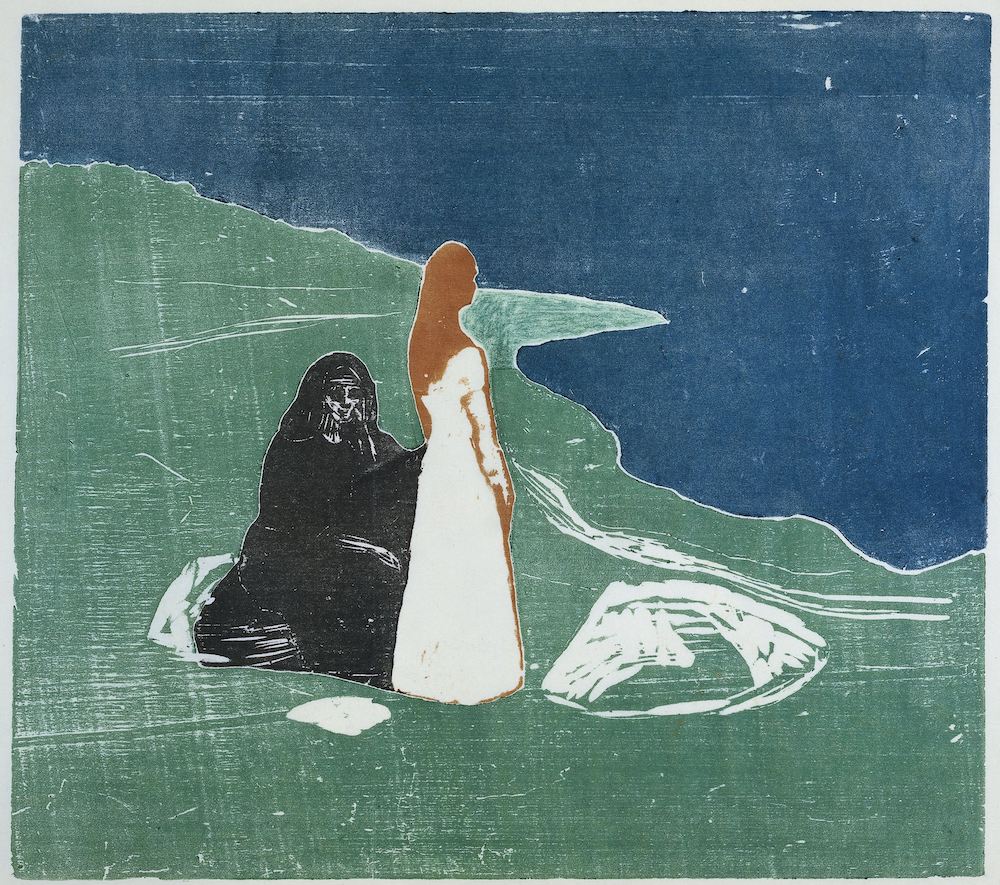
Image: Two Women on the Beach by Edvard Munch, 1898, color woodcut on paper, courtesy of the Rijksmuseum


At the Heart of Gender Disparities in Health Care is Women’s Pain

Pain is a key symptom of injury or disease, and managing acute pain is usually one of the first services provided to patients. But if the patient in pain is a woman, the provider may require more convincing.

Providers doubt that women’s pain is real and underestimate the level of pain for women. Substantial evidence shows that providers report higher levels of pain for men than for women. Gender stereotypes are so strong that in a recent pediatric study, participants evaluating a child’s pain reported higher levels when told that the child was a boy and lower if told it was a girl. These stereotypes are embedded in a belief system that typifies men as strong individuals who are unlikely to express pain unless it’s real, and women as weaker, more emotional individuals who exaggerate pain.

The pain perception stereotype is not limited to providers who are men. Men and women providers, women nurses, and even male or female participants in studies all tend to treat men’s pain as more legitimate than women’s.

Those stereotypes feed into delays in pain treatment for women as well as delayed diagnoses and therapies. Symptoms of cardiovascular disease, cancer, and even brain tumors have been dismissed by providers who did not take reported pain symptoms seriously. Women patients with chronic disease have more barriers in referrals to pain clinics; one study reports that referrals for men come from their primary care physicians, but women are referred by specialists. This could be a symptom of their primary physicians’ of lack of trust in what they are experiencing and treatment delays; but it’s also plausible that women find their way to specialists more often because they are not getting answers at the primary care level, or that primary care physicians are simply referring women more often for further investigation, rather than treating them directly.

The Physiology of Pain for Women Differs from Men

Numerous studies show significant sex differences in the physiology of pain, due to sex hormones and brain-central nervous system processing. These study results, which have explored variances in neurological responses and specific hormonal effects, are well publicized.

Women have higher pain sensitivity, according to several studies—but in practice are often judged to be simply emotional. And if a woman is African American, not only is pain sensitivity higher, but so are the barriers to care.

Women also report more widespread pain and more constant pain than men, and are considered at greater epidemiological risk of conditions involving pain. Despite this wealth of information, pain symptoms in women may be overlooked, dismissed or viewed in the context of stereotypes rather than clinical evidence.

How can we address these disparities? Let’s examine how pain symptoms in women affect outcomes for specific health conditions, and how these might help us to develop solutions for better quality and outcomes for women. Cardiovascular disease and endometriosis are two representative conditions that all too often involve delayed diagnoses or misdiagnoses, dismissed pain, and significant mortality and morbidity for women.

Why Are Women Having Heart Attacks Still Misdiagnosed, When We Know Their Symptoms Differ from Men?

Our previous articles on cardiovascular disease in women, and even worse results for African American women, distinguish how pain symptoms are usually different than those in men. Women may not have crushing chest pain or may not experience chest pain at all—even as chest pain is the key symptom in men. Women may instead feel a more stinging angina pain in the chest; or pain in the jaw, upper back or arms; have headaches and dizziness; or experience shortness of breath.

Yet studies have found that women presenting in emergency rooms with their type of heart attack symptoms are too often misdiagnosed and sent home. Even when they are correctly diagnosed, it takes longer for women get to each stage of treatment. As a result, they are more likely to die in the hospital as well as within a year of the heart attack.

One study published in 2015 by the American Heart Association adjusted women’s higher rate of death statistically downward, due to women’s age and other morbidities. That adjustment claims that while women didn’t get treatment as quickly as men did, they actually weren’t really harmed because their adjusted death rates were the same as for men. That conclusion appears flawed. Outcomes for men is not an appropriate benchmark for women, and it is untested by research. Also, the population in the study may well be underrepresented, only including women who were diagnosed as having heart attacks while missing those who never got the diagnosis.

The fact that measured disparities exist in diagnosis and treatment should translate into action. Providers must be better educated on women’s symptoms presented in the emergency room, have evidence-based protocols for testing for women’s variants of disease, and receive cultural sensitivity training to avoid minimizing women’s pain.

Why Does It Take an Average of 12 Years to Diagnose a Woman with Endometriosis?

Endometriosis is a disease caused by the misdirected migration of endometrial tissue from the uterus during menstruation. Instead of leaving the body vaginally, some tissue escapes through the fallopian tubes into the abdomen, where it creates lesions on and between abdominal organs. The primary symptom of endometriosis is pain, sometimes so severe that afflicted women cannot even stand. An estimated seven million women have endometriosis in the U.S., about 10 per cent of the female population.

The annual cost of endometriosis in the U.S. was estimated at $22 billion annually in one 2007 study, due to hospital admissions, diagnostics, surgeries and productivity loss. But other estimates put the annual loss much higher, with direct costs in the U.S. of $12,118 per woman with endometriosis, and $15,737 for indirect costs, including productivity losses—which extrapolates to nearly $200 billion. The economic burden is similar to other major chronic diseases.

Women with endometriosis experience significant challenges to their quality of life. Their persistent pain affects daily life, social interactions, work performance and career advancement, not only because the pain is disruptive, but also because of the effort needed to diagnose or ameliorate it. Like many diseases affecting women only, endometriosis is under-researched, despite the magnitude of its impact.

But most staggering is the length of time and amount of effort it takes to determine the reason for pain. Despite the fact that this is a common disease—about 10 per cent of the general female population has endometriosis—it takes an average of 12 years in the U.S. to reach a diagnosis. Again, a persistent belief that women’s pain is emotional and not physical leads physicians to dismiss symptoms, prescribe simple painkillers or opioids, and ignore the disease.

The diagnostic protocol has its own problems. Women with endometriosis experience higher levels of abdominal pain than women with other gynecological conditions, according to one laparoscopic study—regardless of the absence of a suspected diagnosis prior to surgery. Yet, historically, practitioners have followed a diagnostic path for endometriosis that requires laparoscopic surgery to visualize the lesions—a procedure that is itself painful and expensive.

Reliance on that protocol could reflect either clinicians’ nonacceptance of women’s reported pain and other symptoms of endometriosis, or clinicians’ wanting definitive visual evidence. But the need for diagnostic laparoscopic surgery is now being called into question. This is a significant development; while women with multiple symptoms are more likely to undergo diagnostic surgery, the large number of other women who just report pain remain undiagnosed and untreated. Less invasive and faster methods of diagnoses will reach more women sooner.

Also emerging is a greater consensus on how to define and disease-stage endometriosis worldwide. This will help to significantly advance research, data sharing and scientific knowledge going forward, and provide more consistent treatment for women. The absence of a common classification and staging mechanism for the disease has stymied diagnosis, symptom management and development of therapies. While it’s still early, the recognition of endometriosis as a significant quality of life issue for women is a foundational step toward a more systematic and empathetic approach to women’s health.

How Women Experience Pain Also Leads to More Opioid Prescriptions and Related Risks

Women tend not only to have high sensitivity to pain, but also to be more afflicted by illnesses with a strong pain component. These include, in addition to endometriosis, chronic or progressive illnesses such as osteoporosis, osteoarthritis and auto-immune diseases such as rheumatoid arthritis and lupus.

As a result, women are more likely to have opioid medicines in their medicine chests. Indeed, 65 percent of opioid prescriptions are for women, and 40 percent more women than men become long-term users after surgery. Unfortunately, women’s reliance on opioids will even further muddle providers’ perception of women’s pain as distinct from drug-seeking behavior.

Delays in diagnosis and persistent pain can increase prescriptions of opioids for women. Addressing pain in women must be a component of the public health imperative to reduce opioid prescriptions and addictions, because it is a root cause.

Actions Providers Must Take to Create Change for Women

Previous articles have suggested many actions that health systems and providers can take to address women’s health and gender-disparate care. But the attitude toward pain is cultural, and simple action steps are not effective. Here’s what needs to happen:

1. Provide forums for conversation to air topics and promote cultural sensitivity and equality for women as patients and professionals.

As with any cultural issue, health systems and organizations must address the cultural biases in their delivery of care, working with providers to address stereotypes and promote understanding of the biological differences. Pain is a ready-made topic for education about differential responses to pain and pain incidence in disease.

Cultural sensitivity grows through consistent and frequent dialogue about the issues. Providers need a forum for these conversations to take place, and education regarding recent research or disease trends that suggest new directions.

2. Explore the specific development of measurements for women-predominant diseases where pain is the key symptom.

This should include measurement of patient-reported functionality and outcomes using standardized instruments, if feasible. Standardized instruments may help to assess differences between what patients are reporting, such as severe chronic pain, and the treatment plan. This information can elicit feedback from providers when there is no positive progression for the patient with a determined diagnosis.

Founded as ICLOPS in 2002, Roji Health Intelligence guides health care systems, providers and patients on the path to better health through Solutions that help providers improve their value and succeed in Risk. Roji Health Intelligence is a CMS Qualified Clinical Data Registry.

Image: Alex Boyd


At the Heart of Gender Disparities in Health Care is Women’s Pain

Pain is a key symptom of injury or disease, and managing acute pain is usually one of the first services provided to patients. But if the patient in pain is a woman, the provider may require more convincing.

Providers doubt that women’s pain is real and underestimate the level of pain for women. Substantial evidence shows that providers report higher levels of pain for men than for women. Gender stereotypes are so strong that in a recent pediatric study, participants evaluating a child’s pain reported higher levels when told that the child was a boy and lower if told it was a girl. These stereotypes are embedded in a belief system that typifies men as strong individuals who are unlikely to express pain unless it’s real, and women as weaker, more emotional individuals who exaggerate pain.

The pain perception stereotype is not limited to providers who are men. Men and women providers, women nurses, and even male or female participants in studies all tend to treat men’s pain as more legitimate than women’s.

Those stereotypes feed into delays in pain treatment for women as well as delayed diagnoses and therapies. Symptoms of cardiovascular disease, cancer, and even brain tumors have been dismissed by providers who did not take reported pain symptoms seriously. Women patients with chronic disease have more barriers in referrals to pain clinics; one study reports that referrals for men come from their primary care physicians, but women are referred by specialists. This could be a symptom of their primary physicians’ of lack of trust in what they are experiencing and treatment delays; but it’s also plausible that women find their way to specialists more often because they are not getting answers at the primary care level, or that primary care physicians are simply referring women more often for further investigation, rather than treating them directly.

The Physiology of Pain for Women Differs from Men

Numerous studies show significant sex differences in the physiology of pain, due to sex hormones and brain-central nervous system processing. These study results, which have explored variances in neurological responses and specific hormonal effects, are well publicized.

Women have higher pain sensitivity, according to several studies—but in practice are often judged to be simply emotional. And if a woman is African American, not only is pain sensitivity higher, but so are the barriers to care.

Women also report more widespread pain and more constant pain than men, and are considered at greater epidemiological risk of conditions involving pain. Despite this wealth of information, pain symptoms in women may be overlooked, dismissed or viewed in the context of stereotypes rather than clinical evidence.

How can we address these disparities? Let’s examine how pain symptoms in women affect outcomes for specific health conditions, and how these might help us to develop solutions for better quality and outcomes for women. Cardiovascular disease and endometriosis are two representative conditions that all too often involve delayed diagnoses or misdiagnoses, dismissed pain, and significant mortality and morbidity for women.

Why Are Women Having Heart Attacks Still Misdiagnosed, When We Know Their Symptoms Differ from Men?

Our previous articles on cardiovascular disease in women, and even worse results for African American women, distinguish how pain symptoms are usually different than those in men. Women may not have crushing chest pain or may not experience chest pain at all—even as chest pain is the key symptom in men. Women may instead feel a more stinging angina pain in the chest; or pain in the jaw, upper back or arms; have headaches and dizziness; or experience shortness of breath.

Yet studies have found that women presenting in emergency rooms with their type of heart attack symptoms are too often misdiagnosed and sent home. Even when they are correctly diagnosed, it takes longer for women get to each stage of treatment. As a result, they are more likely to die in the hospital as well as within a year of the heart attack.

One study published in 2015 by the American Heart Association adjusted women’s higher rate of death statistically downward, due to women’s age and other morbidities. That adjustment claims that while women didn’t get treatment as quickly as men did, they actually weren’t really harmed because their adjusted death rates were the same as for men. That conclusion appears flawed. Outcomes for men is not an appropriate benchmark for women, and it is untested by research. Also, the population in the study may well be underrepresented, only including women who were diagnosed as having heart attacks while missing those who never got the diagnosis.

The fact that measured disparities exist in diagnosis and treatment should translate into action. Providers must be better educated on women’s symptoms presented in the emergency room, have evidence-based protocols for testing for women’s variants of disease, and receive cultural sensitivity training to avoid minimizing women’s pain.

Why Does It Take an Average of 12 Years to Diagnose a Woman with Endometriosis?

Endometriosis is a disease caused by the misdirected migration of endometrial tissue from the uterus during menstruation. Instead of leaving the body vaginally, some tissue escapes through the fallopian tubes into the abdomen, where it creates lesions on and between abdominal organs. The primary symptom of endometriosis is pain, sometimes so severe that afflicted women cannot even stand. An estimated seven million women have endometriosis in the U.S., about 10 per cent of the female population.

The annual cost of endometriosis in the U.S. was estimated at $22 billion annually in one 2007 study, due to hospital admissions, diagnostics, surgeries and productivity loss. But other estimates put the annual loss much higher, with direct costs in the U.S. of $12,118 per woman with endometriosis, and $15,737 for indirect costs, including productivity losses—which extrapolates to nearly $200 billion. The economic burden is similar to other major chronic diseases.

Women with endometriosis experience significant challenges to their quality of life. Their persistent pain affects daily life, social interactions, work performance and career advancement, not only because the pain is disruptive, but also because of the effort needed to diagnose or ameliorate it. Like many diseases affecting women only, endometriosis is under-researched, despite the magnitude of its impact.

But most staggering is the length of time and amount of effort it takes to determine the reason for pain. Despite the fact that this is a common disease—about 10 per cent of the general female population has endometriosis—it takes an average of 12 years in the U.S. to reach a diagnosis. Again, a persistent belief that women’s pain is emotional and not physical leads physicians to dismiss symptoms, prescribe simple painkillers or opioids, and ignore the disease.

The diagnostic protocol has its own problems. Women with endometriosis experience higher levels of abdominal pain than women with other gynecological conditions, according to one laparoscopic study—regardless of the absence of a suspected diagnosis prior to surgery. Yet, historically, practitioners have followed a diagnostic path for endometriosis that requires laparoscopic surgery to visualize the lesions—a procedure that is itself painful and expensive.

Reliance on that protocol could reflect either clinicians’ nonacceptance of women’s reported pain and other symptoms of endometriosis, or clinicians’ wanting definitive visual evidence. But the need for diagnostic laparoscopic surgery is now being called into question. This is a significant development; while women with multiple symptoms are more likely to undergo diagnostic surgery, the large number of other women who just report pain remain undiagnosed and untreated. Less invasive and faster methods of diagnoses will reach more women sooner.

Also emerging is a greater consensus on how to define and disease-stage endometriosis worldwide. This will help to significantly advance research, data sharing and scientific knowledge going forward, and provide more consistent treatment for women. The absence of a common classification and staging mechanism for the disease has stymied diagnosis, symptom management and development of therapies. While it’s still early, the recognition of endometriosis as a significant quality of life issue for women is a foundational step toward a more systematic and empathetic approach to women’s health.

How Women Experience Pain Also Leads to More Opioid Prescriptions and Related Risks

Women tend not only to have high sensitivity to pain, but also to be more afflicted by illnesses with a strong pain component. These include, in addition to endometriosis, chronic or progressive illnesses such as osteoporosis, osteoarthritis and auto-immune diseases such as rheumatoid arthritis and lupus.

As a result, women are more likely to have opioid medicines in their medicine chests. Indeed, 65 percent of opioid prescriptions are for women, and 40 percent more women than men become long-term users after surgery. Unfortunately, women’s reliance on opioids will even further muddle providers’ perception of women’s pain as distinct from drug-seeking behavior.

Delays in diagnosis and persistent pain can increase prescriptions of opioids for women. Addressing pain in women must be a component of the public health imperative to reduce opioid prescriptions and addictions, because it is a root cause.

Actions Providers Must Take to Create Change for Women

Previous articles have suggested many actions that health systems and providers can take to address women’s health and gender-disparate care. But the attitude toward pain is cultural, and simple action steps are not effective. Here’s what needs to happen:

1. Provide forums for conversation to air topics and promote cultural sensitivity and equality for women as patients and professionals.

As with any cultural issue, health systems and organizations must address the cultural biases in their delivery of care, working with providers to address stereotypes and promote understanding of the biological differences. Pain is a ready-made topic for education about differential responses to pain and pain incidence in disease.

Cultural sensitivity grows through consistent and frequent dialogue about the issues. Providers need a forum for these conversations to take place, and education regarding recent research or disease trends that suggest new directions.

2. Explore the specific development of measurements for women-predominant diseases where pain is the key symptom.

This should include measurement of patient-reported functionality and outcomes using standardized instruments, if feasible. Standardized instruments may help to assess differences between what patients are reporting, such as severe chronic pain, and the treatment plan. This information can elicit feedback from providers when there is no positive progression for the patient with a determined diagnosis.

Founded as ICLOPS in 2002, Roji Health Intelligence guides health care systems, providers and patients on the path to better health through Solutions that help providers improve their value and succeed in Risk. Roji Health Intelligence is a CMS Qualified Clinical Data Registry.

Image: Alex Boyd


Women’s Health Research Needs an Infusion: How Health Systems and ACOs Should Help Correct Gender Disparities

Women receive health care that is below par, and the consequences are unnecessary morbidity and death. It is fact, not fiction—borne out by significant data that reveal disparities across many major conditions—that inattention to women’s unique symptoms, risk factors, disease biology and treatment effects are causing harm to women. Despite the reality, a poor body of research exists to point women’s health in the right direction.

Value-Based Health Care (VBHC) assumes that we can measure providers’ delivery of health care against clinical standards. What if we don’t even know how half the population exhibits disease or responds to therapies? At the least, VBHC will reward providers for the wrong things.

For example, if we don’t understand that heart failure prognosis and treatment is different in women versus men—which stems from underrepresentation of women in clinical trials for the disease—practices can generate different costs and outcomes based on their patient populations, alone. Our VBHC incentives will do nothing to further the quality nor the improvement arc of outcomes and cost without understanding what interventions work in subpopulations.

For health systems and ACOs to help their providers adhere to a standard of care and to use population health effectively, they need protocols based on accurate research. They have a stake in ensuring that they can deliver services of high quality with predictable costs. It’s time to seriously focus on women’s health and, in the process of VBHC, embed accountability for quality and cost that addresses critical care issues.

Women’s Cardiovascular Disease: A Collision of Cultural Bias and Lack of Science

Cultural bias by providers is one reason why women are failed by health care. Providers frequently evaluate women according to health care symptoms, standards and research based on men, and thereby delegitimize women’s symptoms and complaints. This persists even with overwhelming data on the unique variants or higher incidence of disease, and different symptoms in women. Despite the fact that cardiovascular disease is the number one cause of mortality in women, and there are now well-known differences in cardiac symptoms and biology, women presenting with heart attacks do not receive the well-established standard of immediate treatment. Why? Because women are being assessed through a gender-specific lens fitted with cultural attitudes of the provider.

That lens is influenced by a second, more insidious issue—the lack of knowledge stemming from insufficient research on women’s health and limited inclusion of women in basic research and clinical studies. If medicine were taught with an understanding of sex differences in conditions and disease, physicians would be more likely to apply that knowledge in practice. However, only since the beginning of the millennium have serious attempts have been made to include women as subjects of research. The basic standards of care have been designed largely based on research in which 100 per cent of the research subjects are men, and the results extrapolated to women. Such is the case in the use of aspirin for patients presenting with heart attacks.

While the inclusion of women in research has definitely progressed, there are still major clinical areas for which there is simply no understanding of how women experience disease, nor whether the treatments hurt or help them. Trying to transform the health care system to provide better value must address these gaps.

Maternal Mortality: The C-Section Connection and Ignorance About Pregnancy Effects

The maternal mortality rate in the U.S. is higher than for any other wealthy, industrialized country, with 14 deaths per 100,000 deliveries (18 per the Centers for Disease Control, compared to 7 for Canada). Rates for African American women are much worse than average, at 40 deaths per 100,000, similar to rates in the developing world. Recent analysis of maternal deaths now reveals a potential link to complications resulting from cesarean sections, which have skyrocketed over the same general period as maternal mortality rates. To understand the data, we have to dig beyond overall rates to take into account the specific patient populations that may be high-risk.

Clearly, cesarean sections must be performed only for medically necessary indications. However, more than one-third of deliveries in the U.S. occur by cesarean section, with a rising proportion of non-medically necessary procedures. A California initiative to reduce rates of non-medically indicated cesarean sections under 39 weeks of gestation noted that only a quarter of women understand full gestation to be 39-40 weeks; significant risks to both mother and infant exist from planned cesarean sections in earlier weeks, even at week 37.

Pregnancy, its complications, and how that affects health later on for the woman and child are only recently being uncovered. That is because research using pregnant women was stymied by federal policy prohibiting it; only recently has that policy been updated to no longer categorize pregnant women as “coercible” and mentally unstable research subjects.

New scientific research on genomic expression is clarifying a number of serious consequences of pregnancy-related issues for the woman and child that have life-long implications. Preeclampsia creates a higher risk of dementia and cardiovascular disease, including stroke, for women who experience this common complication of pregnancy. Nonetheless, despite evidence that use of antihypertensive medications to treat preeclampsia can ameliorate these risks, there remains debate in the medical community about whether and how to treat pregnant women.

Also lacking is an understanding of how certain drugs affect pregnant women. Why? Once again, because pregnant women were barred from participation in research trials until this past January. Even with 98 percent of drugs not tested for safety in pregnant women, however, 90 percent of women take at least one drug during pregnancy.

The Inclusion of Women in Research: Why Is It Still an Issue?

Pushed by scientists and activists, both the National Institutes of Health (NIH)—the largest funder of research in the U.S.—and the Federal Drug Administration (FDA) revised their policies in the 1990s to include women in research and drug trials. Federal legislation in 1993 required NIH to include women and minorities in all clinical research, ensure that Phase 3 clinical trials have volume that would permit gender-specific results, and to create programs to enroll and retain women and minorities in clinical trials.

Nevertheless, compliance with federal requirements—while improving—is not universal. Reviews of clinical research in 2011 and 2013, years subsequent to the policies, showed that most studies that were not targeted to specific women’s conditions had an average of 37 percent enrollment of women. Moreover, two-thirds of studies did not specify sex-differentiated results nor explain the reason. In addition, health issues that were of grave concern to women’s outcomes, such as acute coronary syndrome, did not enroll women in sufficient numbers related to the preponderance of disease. Although a 2018 study showed that participation by women in cardiovascular trials has increased to adequate levels in many areas, critical shortages still remain in some: heart failure, coronary artery disease, acute coronary syndrome/myocardial infarction.

The continued lack of inclusion of women in various levels of clinical research may reflect a basic problem: failure to address sex differentiation in basic biomedical research, which precedes clinical research involving human subjects. A review of surgical research publications from 2011 to 2012 demonstrates that 80 percent of articles were based only on male subjects. Actual animal subjects gave worse results: 84 per cent male versus 16 percent female study subjects. Even in studies relevant to female-prevalent diseases, 44 percent did not specify sex of subjects; if specified, only 12 percent were female. A 2018 study performed in orthopedic basic science 
showed similarly low results for the inclusion of female subjects.

Why this sub-optimal inclusion of women in research trials? The 2018 cardiovascular research review identified a significant possibility: data revealed that women were not screened for inclusion in clinical trials. Whether that problem stems from lack of identification by their physicians or from lack of interest by women candidates is unknown.

Less Funding for Women Researchers: No Way to Correct the Imbalance

Like women physicians, women researchers encounter obstacles in their environment that make it difficult to advance. For starters, grants for top women principal investigators are $41,000 less, on average, than their male peers, despite their working at top U.S. research institutions. In addition, they get fewer research assistants and less equipment. The implications are more far-reaching than a single grant. Fewer early resources for women researchers directly affect their reputations at their institutions, future grants and advancement to leadership.

But they not only get less research funding—women researchers may not get funded at all, compared to men. A study of research funding published in 2019 shows that Canadian women researchers are 30 percent less likely to have proposals approved than male researchers for cancer studies, when the principal investigator was explicitly identified in the grant application process. But here’s the interesting part: when the principal investigator factor is not considered, the results for funding women and men as principal investigator are equivalent. That implies that decisions focused on the principal investigator discriminate by gender. This follows an earlier study in the British Journal of Medicine with similar results.

In an Association of Medical Colleges study of research proposals submitted by women, a review of 150 NIH grants awarded to men and women scientists found no bias in initial grant awards, but a significant point disparity on renewals for women, along with reviewer comments that reflected stereotypes.

The significance of holding back women from scientific leadership is twofold. First, they can’t influence the course of research toward the seriously underfunded women’s diseases, such as ovarian cancer and reproductive health. Second, it slows the progress of adequate representation of women in research, the recruitment of women and attention to gender-specific results.

Health Systems and ACOs Can Help: Five Actions to Advance Research on Women’s Health

Health systems that are academically centered have an obvious role to play in advancing women’s health research, but it may be less obvious for regional health systems and ACOs. It shouldn’t be. More than half of their patients are women, and providers can directly contribute to improving outcomes and controlling costs for these patients.

Here’s how:

1. Assist recruitment of women patients in clinical research.

Health systems and ACOs have the patient-specific data and accountability for providing the best care, and they can help fulfill this by making opportunities available for their patients.

  • Ensure that researchers that are part of the enterprise can communicate research projects to network physicians.
  • Help identify patient candidates using registry data, and establish a communication and screening process for practices to recruit and sustain women in research projects.
  • Communicate with women patients generally about the value of research and projects that are open, as well as immediate opportunities.
  • Elicit engagement of physicians in broadening research opportunities for their women patients.

2. Partner with institutions performing research to expand opportunities for patients.

Even physician-led ACOs and health systems that have no academic base can benefit by being involved in health care research. Research projects that need high patient volume will need local provider participation to meet their goals.

3. Capture and analyze patient-reported outcomes, especially morbidity and quality-of-life data.

A differentiating factor in some women-targeted diseases is not mortality but morbidity. Pain, functionality and mobility, and depression are outcomes that are highly associated with diseases that are prevalent in women. Capturing this data will help not only in identifying patients for research, but also in designing better interventions and helping physicians interpret results.

4. Champion women researchers and their proposals through internal and external advocacy.

Evidence shows that women researchers are undervalued by their employers and outside entities. In addition to tactics already described for women physicians, the championing of women principal investigators is an important role for providers. Promoting women principal investigators with advocacy organizations can influence funding of proposals in the wane of as science journalism wanes.

5. Establish protocols for women’s care, plus education for physicians, based on recent research.

Research must translate into better care, and all providers need to ensure that knowledge becomes practice. The most egregious examples of failure include delayed or misdiagnosed women’s cardiac conditions along with high cesarean section rates/maternal complications. But these serious issues are just a starting point for large-scale interventions aimed at improving outcomes for women.

Founded as ICLOPS in 2002, Roji Health Intelligence guides health care systems, providers and patients on the path to better health through Solutions that help providers improve their value and succeed in Risk. Roji Health Intelligence is a CMS Qualified Clinical Data Registry.

Image: Jonathon Young


If Not Now, It’s Too Late: Clinical Science Is Futile If We Study the Wrong Population

In 1936, the Literary Digest, a respected national magazine, undertook a public opinion poll. Who would win the race between Republican Alfred Landon, governor of Kansas, and Democratic incumbent Franklin D. Roosevelt? Mock ballots were mailed to 10 million Americans. About 2.4 million responded—one of the largest survey samples ever created. Their prediction? Landon would carry the day.

They were wrong—by a landslide for FDR. That’s because respondents were biased toward Landon and did not accurately represent the distribution of presidential preferences across all voters. Notably, George Gallop accurately predicted FDR’s victory using a smaller representative sample of about 50,000 people.

While that slice of presidential election history provides an excellent example of polling error, it also illustrates a significant issue in clinical science: reliable and accurate extrapolations from clinical studies depend upon the relevance of the studied population to those for whom the results are generalized.

Who Gets Studied Defines Relevance of Results

Clinical science seeks to find statistically and clinically significant differences in outcome probabilities between one plan and another. The size and accuracy of the measured difference, and the ability to use that difference number to extrapolate a study’s result, are the paramount duties of clinical science.

As researchers plan clinical science, much time and effort is devoted to plotting study design, ruminating about statistical “power” and presaging interpretation. These considerations reveal a focus on “internal validity,” which denotes how well the study, per se, is done. As a result, the “population studied” can become an after thought—not ignored, but subjugated—a major reason that studies fail to properly inform.

Patients in a study are a part of an “eligible to be studied” whole. Clinical science uses information from the partial, studied group to infer to the whole. If the part does not share characteristics of the whole, inference is weak, or wrong. A study with flawless internally validity means little if results do not translate. An egregious example is the overreliance on clinical studies of heart disease among men as the basis for treatment protocols for women, despite gender disparities in how women experience heart disease and what treatments work best for them.

The Gap Between Eligible and Accepted Populations Can Limit Study Applicability

Let’s break this down further. There are three populations in research:

  1. The entire population of patients with the condition who are eligible to be studied.
  2. The part of the whole invited into a study.
  3. The group of invited patients who accept being in the study.

Unfortunately, the path from the entire eligible population to the group that actually participates may lead to a clinical trial with limited applicability. As an editor I once saw a group of nearly 10,000 eligible people drop to only 300 accepting to participate in the study. Based on the numbers, alone, it’s hard to imagine that 300 could properly inform the 10,000.

Whether the small part can be generalized to the whole begs a question: Is the best study one with large numbers of patients? We’ve already seen the flaws in the 1936 Literary Digest poll, one of the largest studies ever done. How about a contemporary clinical science example? In 2011, the National Lung Screening Trial (NLST) was published; 53,454 patients were enrolled from 33 centers to test if CT scanning saved lives from lung cancer.

As with all trials, inclusion and exclusion criteria created the population of patients eligible for study; but we don’t know if all potential patients who would have been eligible were taken into account at outset of the trial. Also, there is no description, either in the published report or in the study protocol sent to ClinicalTrials.gov, of how patients from the eligible population were invited. We don’t know if a consecutive sample was invited, a systematic sample scheme was used, a random sample of eligible patients was asked, or if doctors picked whom to ask.

This failure to describe which people got invited and who accepted being in the study is a profound omission—even, I would argue, a disqualifying omission, in terms of using the study to make policy or patient decisions. If the people were haphazardly, rather than systematically, invited, the large sample is nothing more than a convenience sample of handpicked patients. Random assignment to treatments after haphazard recruitment does not help us generalize results. It would be better to have a random sample of all eligible people at outset.

Large Sample Size Does Not Guarantee More Accurate Results

Is there evidence that the NLST study population was not generalizable, and, therefore, of limited value to individual patients?

After publication, CT scanning was promoted based on the trial results, and centers began screening. The experiences of other sites did not replicate the NLST findings. For example, the Veterans Administration found that their screened patients were older than those in the NLST (53 percent over 65 years of age versus 27 percent for the NLST), were more likely to be current smokers, had more abnormalities on CT requiring follow-up, found fewer lower stage cancers, and had a complication rate over twice as high as reported in the NLST. They also noted variations in patients’ experiences with outcomes, process, costs and complications across 8 study sites, none with results similar to the NLST.

Large studies are large for a reason. There is little anticipated difference in the outcomes of a randomized trial; the base rates for outcomes are small. Some argue that a random sample of a population is not needed when the base rates of outcome events are small, but the examples above nix that debate. Outcome rates, especially complication rates, vary by patients’ clinical and personal characteristics, and their means.

Any large study, including the NLST, that fails to include all eligible patients or fails to randomly invite people from all who are eligible is off on the wrong foot from the get-go. Simple random samples of patients may also be inadequate for the future advancement of clinical studies—but that is a topic for a future post.

Clinical research must be more like the 1936 Gallop poll than the convenience sampling of even huge numbers of people. If clinical science can’t get the right population to study at outset, advancing care via science will be slow and dangerous to some. Generalizability, not internal validity, should dominate study planning.

Founded as ICLOPS in 2002, Roji Health Intelligence guides health care systems, providers and patients on the path to better health through Solutions that help providers improve their value and succeed in Risk. Roji Health Intelligence is a CMS Qualified Clinical Data Registry.

Image: chuttersnap


How Gender Discrimination Against Women Physicians Handicaps Value and Patient Care

We need to get women’s health care right. This is not a parochial issue, important only to women, and disconnected from Value-Based Health Care. Gender disparity in health care is real, with significant ramifications for outcomes—for the patients, certainly, as well as for providers’ ability to succeed under risk. Just as quality measurement is necessary to improving quality, achieving the triple aim of quality, cost and patient experience must include both measurement and elimination of gender and gender-race impediments.

ACOs and providers accept that they must help patients overcome social attributes of health if those patients are to improve. Yet gender and race are even more basic; genetic attributes determine risk for disease, its biology and appropriate therapies. Gender and race should be part of VBHC quality measurements and specifically tested in interventions for outcomes improvements.

The experience of women patients is one side of the issue. Interventions to improve women’s health care must involve providers and be grounded in clinical research. Just as significant, women physicians and researchers are dealing with inequities. Creating a physician-focused effort to resolve gender disparity can’t be totally effective in an environment where those physicians are struggling with similar unmet needs.

Women Physicians are Undervalued, with Leadership Out of Reach

In theory, diversity in the workforce will reduce discrimination against the consumer—in this case, the patient. If so, shouldn’t the higher number women physicians help improve care for women patients? Regrettably, there is no cause for immediate optimism, for a number of reasons.

First, only about a third of practicing physicians are now women, and they work fewer total hours, and predominate in only a few specialties—OB/GYN, pediatrics and plastic surgery, where half or more of the total volume of specialty physicians are women. Also, 23 per cent of women physicians work part-time, compared to 15 per cent of men.

Second, women are underrepresented in high-volume specialties outside primary care and specialties historically favored by women—such as cardiology, orthopedics, radiology and gastroenterology—among the highest income specialties. Depending on specialty, women earn 25 to 42 per cent less than male physicians after controlling for other factors, yet have higher expenses.

Third, women rarely make it to the leadership level in health care. In a special issue of The Lancet devoted to multi-faceted issues of gender inequity among women in health care, many women physicians cited the reality of family responsibility and childbearing decisions, along with sexual harassment and gender discrimination, as challenges to career advancement. In the larger context, states the journal, “the disparity in global health leadership negatively affects outcomes for women and children worldwide.”

Those factors work to make women a less powerful minority in their workplaces and less able to wield influence over systems of care. But it also distances them from patient care in critical areas with significant gender disparities in disease presentation and outcomes: cardiac care, specialties focused on conditions with high levels of pain, and emergency medicine where women may first present for life-threatening or painful events.

Studies Indicate Women Deliver Higher Quality Care, with More Research Needed

Dismissal of symptoms, especially pain and other symptoms that are particular to women, is one of the biggest problems that women patients face. It is associated with misdiagnoses of heart attacks, delays in diagnoses for other conditions and even with the high maternal mortality rate in the U.S.

Numerous studies of pain dismissal highlight gender distinctions in the biology of pain and providers’ failure to adequately and accurately perceive it. Providers generally perceive men to be in worse pain than women, even as women’s pain is often a significant precursor to serious medical conditions. It’s important to note that gender of “providers” is all-inclusive, and the distinct contributions of physician gender are not adequately studied. Review of physician gender by specialty raises questions about whether the composition of the workforce itself can contribute to gender disparities in care.

Aside from examining responses to pain, other studies have taken a stab at evaluating attitudes and gauging the influence of physician gender in patient care. One caveat: randomized trials have yet to be conducted that validate observational and retrospective data analysis about care and outcomes for women physicians. The surveys and other studies presented here represent the best information, to date; however, just as for gender-disparate outcomes in patients, rigorous research on the provider side is critically needed.

A significant pro-male bias towards taking risks with treatment was indicated in one survey of cardiologists. Several separate studies of women physicians delivering care for heart attack victims revealed better long-term results for women patients, regardless of higher risk profiles and poorer self-management of their conditions.

Additional studies reveal that women patients of women physicians may be more likely to receive preventive services, such as pap smears and mammography, than women patients of male doctors. According to another review of outcomes, female patients with Type 2 diabetes receive higher quality care from women physicians, including management of hypertension and cardiac risk.

Comparisons of hospital outcomes for patients (both men and women) seen by men and women physicians show lower mortality and lower readmission rates for patients of women physicians, regardless of disease severity. More evidence favoring patients of women physicians was revealed by data in other studies, including 580,000 heart patients admitted to Florida emergency rooms with better outcomes, and a John Hopkins study identifying women as better communicators.

Finally, responses of women physicians to a Medscape survey indicated that women physicians spend more time individually with patients, and they put more emphasis on patient relationships and making a difference than male physicians. If representative, this could explain why women are assessed as having better communication with patients that contribute to improved outcomes.

Studies notwithstanding, results associated with women physicians are not without limitations. Physician selection by patient, quality of communication skills, workflow and many other factors go into physician-patient conversation and medical decision-making. Given the evidence of disparate outcomes for women physicians, however, there is a compelling case for serious research.

The Work Environment for Women Physicians Is Too Often Unsafe or Unhealthy

A recent survey of women physicians found that 10 per cent were harassed in the work settings, compared to 4 per cent of men. Nearly half of women physicians and a higher proportion of residents said that they were harassed by another physician, 97 percent of whom were men.

Most women who were harassed believed that the instance was trivialized by their employers. More than a third of harassed women physicians and residents considered quitting, and 14 per cent did. Even a large number of women medical students reported significant levels of harassment.

Beyond harassment, women physicians face higher levels of stress on many levels. The American Women’s Medical Association reports that in a study at Kansas State University, 22 per cent of women physicians demonstrated emotional exhaustion, compared to 9 per cent of male physicians. Thirty per cent of women physicians, compared to 15 per cent of male physicians, met criteria for burnout. Issues that women associated with stress included interpersonal interactions, experiencing an “imposter syndrome” as a physician or feeling stereotyped, meeting gender expectations and sexual harassment.

Four Essential VBHC Strategies for Boosting Women Physicians

In many articles on VBHC, we have emphasized that key physician-related activities are the foundation for achieving VBHC: physician education, participation in a learning environment for data sharing and cost-quality improvement, and involvement in management of the change process. If the work environment is toxic or disadvantageous to women physicians, however, that is a major impediment to successfully implementing Value-Based Health Care and must be resolved as a priority. ACOs and providers must address fundamental issues of gender equity in order to create the ability to have agency with a large component of the workforce. Here’s what to do first:

1. Demonstrate value for women physicians through better compensation and cultivating leadership potential.

Under financial risk, the incentives will change associated with physician skills. Communication, motivational conversation, data and relationships will be assets for better decision-making, patient outcomes and patient loyalty. Systematic wage discrimination only exacerbates the looming physician shortage and cannot continue. The investment in women physicians will have far-reaching effects on workforce morale as well as health system-physician partnerships.

2. Create a safe workplace.

Sexual harassment exists in all kinds of work environments, but surveys in health care environments clarify both the extent of the problem and the fact that it is not being taken seriously. Many businesses have been able to establish policies that safeguard the safety of the environment through training programs and leadership. Health care should be no exception.

3. Enable women to advance their careers by evaluating work flexibility, child care and other supports.

Attestations that women physicians will be equal partners are not believable without measures that improve the ability of women to work at full steam. While there will always be work-home balance issues for both men and women, employers must recognize that most women have a heavier burden for childbearing and childrearing, and help them manage it through needed flexibility and other options.

4. Work with physicians to eliminate gender disparities in patient care.

Help both men and women physicians improve their ability to elicit accurate and relevant information from patients. Providers can benefit from women physicians’ experiences as patients and as physicians. Involve them in efforts to create better protocols for evaluating women’s symptoms and biology of disease, and to develop physician education to implement those protocols.

Women in medicine can be powerful allies for change and a channel to improve gender disparity in patient care. ACOs and health care systems will achieve better VBHC results by creating a workforce that is equipped to identify and take on gender disparity in the delivery of care. Population health and improvement efforts should be designed to address recent findings related to disparate care. But in building trust with their own physicians, ACOs’ and health care systems’ first goal must be to remove the same kind of discrimination in the work environment.

Founded as ICLOPS in 2002, Roji Health Intelligence guides health care systems, providers and patients on the path to better health through Solutions that help providers improve their value and succeed in Risk. Roji Health Intelligence is a CMS Qualified Clinical Data Registry.

Image: Piron Guillaume


Providers, Take Note: Prepare for the Future Health Care of Older Women

Our review of women’s health care has called attention to disparities in risk factors and biological disease differences, treatment variances, and lack of adequate research. Gender and race have obscured perceptions of women’s symptoms, creating delays in diagnoses and treatments and even early death.

A serious gap in gender-specific research and gender-analyzed data contributes to this profound lack of understanding of differential biology and treatment options. Even for conditions that are more specific to women, such as breast cancer and maternity, clinical care and research funding is heavy on front-end detection and prevention but fails to focus on women at highest mortality risk.

Still, the issues we have raised thus far don’t account for a significant, pending women’s health crisis: the 50 million or more women over 65 within forty years, given the predicted doubling of the senior population by 2060. Many of those women in the oldest age group will not be able to afford the 60 percent of their income that out-of-pocket health care costs will consume. Escalating health care costs, fewer resources, gender- and age-specific health care needs, and the older burgeoning population have the potential to overwhelm the health care system and its economics.

Older Women Have Fewer Resources and Less Support Than Men

The reality that women’s income lags behind men’s—a result of both lower employment and lower wages than men early in their careers—reduces accumulated wealth in later years, even as older women’s health care spending exceeds that of older men. For women with Medicare, regular income on average is at least 20 percent less than men’s in older years, and total financial assets are one-third less. Some sources have reported the difference to be much larger.

African American and Latina women are at disproportionately greater risk, with about 40 percent on Medicaid. These women are required to spend down assets to achieve eligibility, making them vulnerable to any changes in the future that might alter their coverage.

Complicating matters, the longer lifespan of women comes at a price. As women age, they experience higher rates of chronic disease, such as osteoporosis and arthritis, and more functional impairments than men. Cardiovascular and other diseases have poorer outcomes for older African American women. As physical decline advances, however, more women in America are without support. More than two-thirds of men are married, yet less than half of women over 65 are married. Women are much more likely to live alone. Less than 20 percent of older men with Medicare live alone; almost half of women 75 or older live alone.

Older Women Face a Growing Number of Risk Factors

Women confront an increasing number of risk factors as they age and, as noted above, health risks for older women exceed those for men. Almost two-thirds have more than three or more chronic conditions, compared to half for men. Debilitating pain and fractures associated with skeletal issues are very common; osteoporosis exists among almost 25 percent of women over 65, and low bone mass in half of older women. Aging causes these proportions to rise dramatically, putting women at increasing risk of hip fractures, which have plateaued after a decade of decline. Hip fractures are associated with high cost and higher mortality for an extended period after the fracture.

Obesity, an important risk predictor for many chronic diseases, has been increasing over time among older women. Forty-four percent of women between 65 and 74 are obese, and 30 percent of those over 75 .

More Women Live in Nursing Home Settings

Nursing home visitors are often struck by the large proportion of women compared to men. Women live longer than men; but the gap alone—women at 81.2 years and men at 76.4 years—is not enough to explain why seven of ten Medicare beneficiaries living in nursing homes are women. There are other contributing factors. First, the risk factors for nursing home admissions include conditions for which gender wields a significant influence: stroke and other cardiovascular disease, mental impairments, inability to complete daily living tasks, and living alone. The most prevalent chronic illnesses associated with nursing home admissions are cardiovascular disease; neurological disease including Alzheimer’s, Parkinson’s; and osteoarthritis and fractures. Two-thirds of Alzheimer’s patients are women, and while studies find no clear incidence differential by sex, women do have more individual risk factors of dementia—lower education, more depression, less exercise.

Second, however, gender and isolation may be overriding factors, powerful enough in combination to tip the balance for women to be admitted to nursing homes when other conditions are present. Since older women are significantly more likely to be unmarried and living alone, they may simply lack the support they need to age in place.

An ongoing concern about nursing home admissions is the quality of life and nursing home care. Almost 10 percent of homes have been reported to have measured, widespread deficiencies and harms to residents, and a third exhibit a pattern of health deficiencies. These findings place older women at additional health risk.

At the same time, despite the growing volume of older adults in the U.S., the number of nursing homes and occupancy volumes are declining, mainly due to efforts of Value-Based Health Care to cut costs of post-acute care. The gap is being filled by for-profit homes and those focused on dual Medicare-Medicaid eligibility, stimulated by Medicaid coverage of residential services not provided by Medicare, with their sights set on longterm profitability

How Providers Should Ensure Special Focus on Older Women in Value-Based Health Care

While some providers may assume that fixing the issues facing older women falls outside the responsibility of health care, under Value-Based Health Care (VBHC) it is no longer possible to separate social and health care risk factors. Like other patients, older women are affected by social determinants in addition to gender-specific medical issues. These will drive increasing costs for ACOs and risk-bearing providers participating in Medicare Advantage private insurance.

Health care providers will be most effective in VBHC if they identify and mitigate health risk factors while focusing on optimum care. Here’s how they can start:

1. Gather data to inform and prioritize VBHC efforts for older women.

With the paucity of existing social and economic data and other patient-reported information, this effort will be essential.

  • Assess functionality levels, communication preferences and self-reported risk factors of older women.
  • Involve family and support networks in VBHC interventions.
  • Identify or ensure that the patient has a primary care physician, and assign, if indicated, a patient coordinator or nurse.
  • Evaluate patient experience with each episode and setting, reported by older women and their family members.

2. Establish improvement efforts to mitigate risk factors in key areas.

These can include reducing obesity, increasing exercise and bone mass, improving nutrition, strengthening cognitive skills and memory, and learning how to age healthfully. Frail older women who can achieve health improvements provide a very beneficial population health focus. Any of these initiatives will be higher touch and more intensive for providers than typical interventions and, in fact, are quasi-clinical in nature. Therefore, they should be conducted in a spirit of innovation and experimentation, as providers will need to test which approaches have the greatest positive effect on groups and individual patients.

3. Help providers overcome historical issues in communicating with and treating older women.

  • Avoid dismissal of symptoms. Seriously investigate sources of pain. Pain is frequently dismissed by physicians for women in general, as we have noted in previous articles. Since older women with pain are also more likely to be depressed, pain should be examined more broadly.
  • Recognize that gender-targeted research is inadequate and exacerbates treatment issues for older women, who may be excluded in trials. In addition, some chronic diseases are treated more aggressively than necessary in older adults, generally, and clinical interventions researched in younger populations are not appropriate for older individuals
  • Develop processes for providers to engage older women patients in medical decision-making, supporting their ability to provide quality research results for participation in patient decision-making.

4. Create value-based networks more prepared to work with older women effectively.

Because Medicare and Medicaid fees are less lucrative for networks, the number of geriatricians has declined in response to low salaries in a system driven toward fee-for-service. Under financial risk, however, those professionals become not only necessary, but also cost-effective.

  • Support training and recruitment of geriatricians.
  • Expand the use of geriatric nurses in communication with older women patients and their families.
  • Encourage collaboration among practitioners to improve the effectiveness of therapies for older women, shown to improve outcomes in polypharmacy and hip fractures

5. Conduct research on interventions while implementing improvements, and share results.

Providers’ VBHC initiatives to improve healthy aging of older women will further the science of interventional studies for health care. Since data will be collected as part of any process, it is a short leap to the evaluation and sharing of results.

The population of older women will present a big challenge to health care providers as payment moves to financial risk. But VBHC strategies focused on this group will benefit ACOs and risk-bearing providers, while significantly improving quality of life for older women patients. Coordinated and integrated care models demonstrate promise for frail elderly women and those with complex conditions, and may form the foundation of population health efforts by ACO and other health care providers.

Founded as ICLOPS in 2002, Roji Health Intelligence guides health care systems, providers and patients on the path to better health through Solutions that help providers improve their value and succeed in Risk. Roji Health Intelligence is a CMS Qualified Clinical Data Registry.

Image: Eberhard Grossgasteiger


Providers, Take Note: Prepare for the Future Health Care of Older Women

Our review of women’s health care has called attention to disparities in risk factors and biological disease differences, treatment variances, and lack of adequate research. Gender and race have obscured perceptions of women’s symptoms, creating delays in diagnoses and treatments and even early death.

A serious gap in gender-specific research and gender-analyzed data contributes to this profound lack of understanding of differential biology and treatment options. Even for conditions that are more specific to women, such as breast cancer and maternity, clinical care and research funding is heavy on front-end detection and prevention but fails to focus on women at highest mortality risk.

Still, the issues we have raised thus far don’t account for a significant, pending women’s health crisis: the 50 million or more women over 65 within forty years, given the predicted doubling of the senior population by 2060. Many of those women in the oldest age group will not be able to afford the 60 percent of their income that out-of-pocket health care costs will consume. Escalating health care costs, fewer resources, gender- and age-specific health care needs, and the older burgeoning population have the potential to overwhelm the health care system and its economics.

Older Women Have Fewer Resources and Less Support Than Men

The reality that women’s income lags behind men’s—a result of both lower employment and lower wages than men early in their careers—reduces accumulated wealth in later years, even as older women’s health care spending exceeds that of older men. For women with Medicare, regular income on average is at least 20 percent less than men’s in older years, and total financial assets are one-third less. Some sources have reported the difference to be much larger.

African American and Latina women are at disproportionately greater risk, with about 40 percent on Medicaid. These women are required to spend down assets to achieve eligibility, making them vulnerable to any changes in the future that might alter their coverage.

Complicating matters, the longer lifespan of women comes at a price. As women age, they experience higher rates of chronic disease, such as osteoporosis and arthritis, and more functional impairments than men. Cardiovascular and other diseases have poorer outcomes for older African American women. As physical decline advances, however, more women in America are without support. More than two-thirds of men are married, yet less than half of women over 65 are married. Women are much more likely to live alone. Less than 20 percent of older men with Medicare live alone; almost half of women 75 or older live alone.

Older Women Face a Growing Number of Risk Factors

Women confront an increasing number of risk factors as they age and, as noted above, health risks for older women exceed those for men. Almost two-thirds have more than three or more chronic conditions, compared to half for men. Debilitating pain and fractures associated with skeletal issues are very common; osteoporosis exists among almost 25 percent of women over 65, and low bone mass in half of older women. Aging causes these proportions to rise dramatically, putting women at increasing risk of hip fractures, which have plateaued after a decade of decline. Hip fractures are associated with high cost and higher mortality for an extended period after the fracture.

Obesity, an important risk predictor for many chronic diseases, has been increasing over time among older women. Forty-four percent of women between 65 and 74 are obese, and 30 percent of those over 75 .

More Women Live in Nursing Home Settings

Nursing home visitors are often struck by the large proportion of women compared to men. Women live longer than men; but the gap alone—women at 81.2 years and men at 76.4 years—is not enough to explain why seven of ten Medicare beneficiaries living in nursing homes are women. There are other contributing factors. First, the risk factors for nursing home admissions include conditions for which gender wields a significant influence: stroke and other cardiovascular disease, mental impairments, inability to complete daily living tasks, and living alone. The most prevalent chronic illnesses associated with nursing home admissions are cardiovascular disease; neurological disease including Alzheimer’s, Parkinson’s; and osteoarthritis and fractures. Two-thirds of Alzheimer’s patients are women, and while studies find no clear incidence differential by sex, women do have more individual risk factors of dementia—lower education, more depression, less exercise.

Second, however, gender and isolation may be overriding factors, powerful enough in combination to tip the balance for women to be admitted to nursing homes when other conditions are present. Since older women are significantly more likely to be unmarried and living alone, they may simply lack the support they need to age in place.

An ongoing concern about nursing home admissions is the quality of life and nursing home care. Almost 10 percent of homes have been reported to have measured, widespread deficiencies and harms to residents, and a third exhibit a pattern of health deficiencies. These findings place older women at additional health risk.

At the same time, despite the growing volume of older adults in the U.S., the number of nursing homes and occupancy volumes are declining, mainly due to efforts of Value-Based Health Care to cut costs of post-acute care. The gap is being filled by for-profit homes and those focused on dual Medicare-Medicaid eligibility, stimulated by Medicaid coverage of residential services not provided by Medicare, with their sights set on longterm profitability

How Providers Should Ensure Special Focus on Older Women in Value-Based Health Care

While some providers may assume that fixing the issues facing older women falls outside the responsibility of health care, under Value-Based Health Care (VBHC) it is no longer possible to separate social and health care risk factors. Like other patients, older women are affected by social determinants in addition to gender-specific medical issues. These will drive increasing costs for ACOs and risk-bearing providers participating in Medicare Advantage private insurance.

Health care providers will be most effective in VBHC if they identify and mitigate health risk factors while focusing on optimum care. Here’s how they can start:

1. Gather data to inform and prioritize VBHC efforts for older women.

With the paucity of existing social and economic data and other patient-reported information, this effort will be essential.

  • Assess functionality levels, communication preferences and self-reported risk factors of older women.
  • Involve family and support networks in VBHC interventions.
  • Identify or ensure that the patient has a primary care physician, and assign, if indicated, a patient coordinator or nurse.
  • Evaluate patient experience with each episode and setting, reported by older women and their family members.

2. Establish improvement efforts to mitigate risk factors in key areas.

These can include reducing obesity, increasing exercise and bone mass, improving nutrition, strengthening cognitive skills and memory, and learning how to age healthfully. Frail older women who can achieve health improvements provide a very beneficial population health focus. Any of these initiatives will be higher touch and more intensive for providers than typical interventions and, in fact, are quasi-clinical in nature. Therefore, they should be conducted in a spirit of innovation and experimentation, as providers will need to test which approaches have the greatest positive effect on groups and individual patients.

3. Help providers overcome historical issues in communicating with and treating older women.

  • Avoid dismissal of symptoms. Seriously investigate sources of pain. Pain is frequently dismissed by physicians for women in general, as we have noted in previous articles. Since older women with pain are also more likely to be depressed, pain should be examined more broadly.
  • Recognize that gender-targeted research is inadequate and exacerbates treatment issues for older women, who may be excluded in trials. In addition, some chronic diseases are treated more aggressively than necessary in older adults, generally, and clinical interventions researched in younger populations are not appropriate for older individuals
  • Develop processes for providers to engage older women patients in medical decision-making, supporting their ability to provide quality research results for participation in patient decision-making.

4. Create value-based networks more prepared to work with older women effectively.

Because Medicare and Medicaid fees are less lucrative for networks, the number of geriatricians has declined in response to low salaries in a system driven toward fee-for-service. Under financial risk, however, those professionals become not only necessary, but also cost-effective.

  • Support training and recruitment of geriatricians.
  • Expand the use of geriatric nurses in communication with older women patients and their families.
  • Encourage collaboration among practitioners to improve the effectiveness of therapies for older women, shown to improve outcomes in polypharmacy and hip fractures

5. Conduct research on interventions while implementing improvements, and share results.

Providers’ VBHC initiatives to improve healthy aging of older women will further the science of interventional studies for health care. Since data will be collected as part of any process, it is a short leap to the evaluation and sharing of results.

The population of older women will present a big challenge to health care providers as payment moves to financial risk. But VBHC strategies focused on this group will benefit ACOs and risk-bearing providers, while significantly improving quality of life for older women patients. Coordinated and integrated care models demonstrate promise for frail elderly women and those with complex conditions, and may form the foundation of population health efforts by ACO and other health care providers.

Founded as ICLOPS in 2002, Roji Health Intelligence guides health care systems, providers and patients on the path to better health through Solutions that help providers improve their value and succeed in Risk. Roji Health Intelligence is a CMS Qualified Clinical Data Registry.

Image: Eberhard Grossgasteiger